
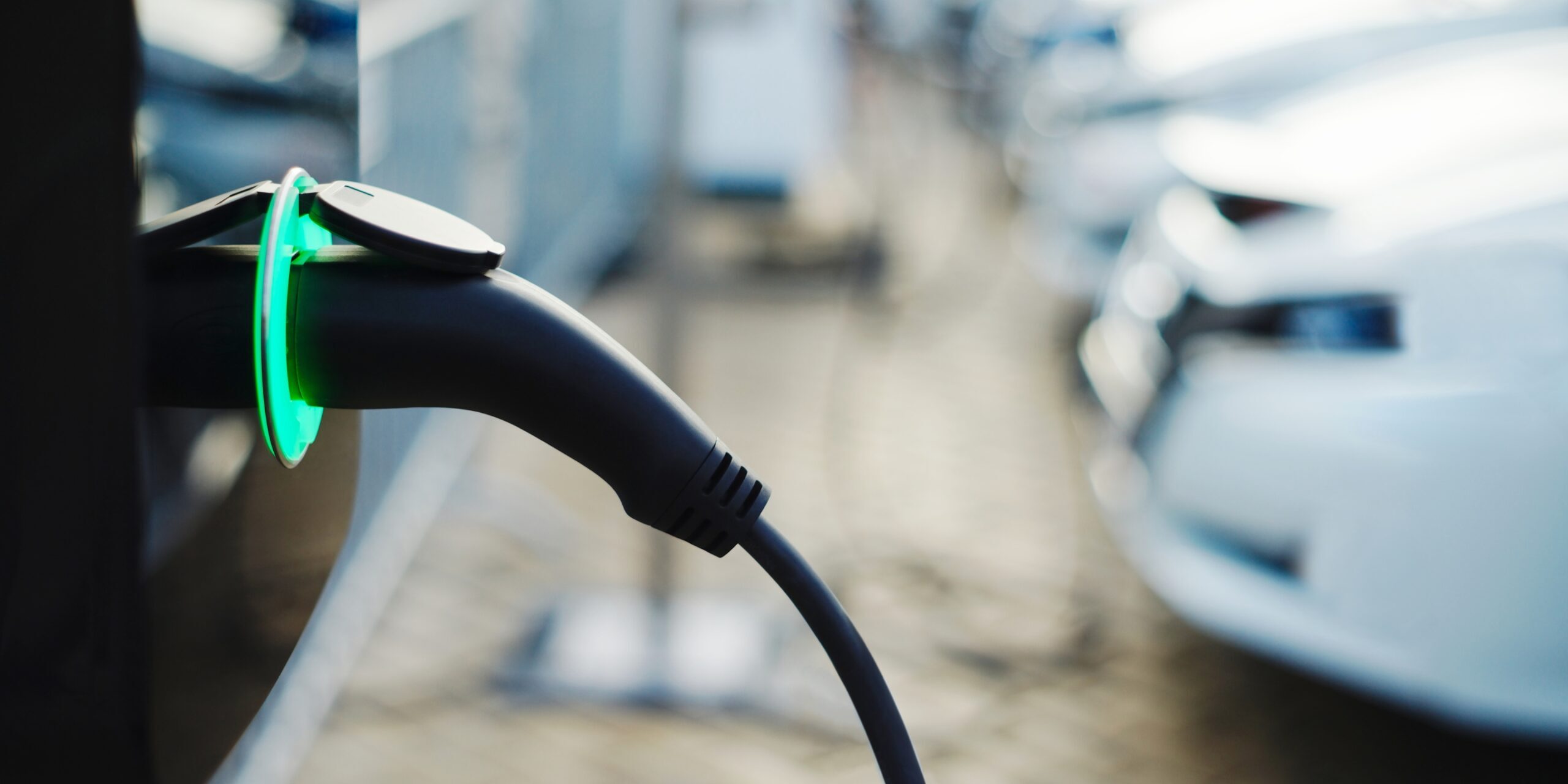
It has now been confirmed that electric vehicles will have to pay vehicle excise duty (also known as road tax) from April 2025.
The announcement was made by the government yesterday & it only applies to cars with a CO2 emissions rating of between 0g/km and 50g/km. A new band will be introduced for cars emitting between 51-75g/km of CO2 & then another for 76-94g/km.
Until now electric vehicles have been exempt, but the annual vehicle excise duty charge for cars will now be £10 in the first year, then £165 from the second year of registration onwards.
Under current plans by the government, the sale of new petrol & diesel cars will be banned from 2030 with some hybrid vehicles being allowed to stay on sale until 2035.
Although the sales of electric vehicles have slowed in the second half of 2022. In the first 3 months of 2022 registrations of electric vehicles was 102% higher than the same period in 2021, whilst they fell to 38% at the end of October 2022 compared to 2021.
Electric cars cost more to buy than some petrol & diesel cars. This is largely due to the cost of the battery that powers the car. However, this is something that will change in the future as electric car batteries become cheaper and can be charged in your home, meaning no more paying at public charging points.
Most electric vehicles cost about 2p per mile for charging, compared with 12-15p per mile for running an equivalent petrol or diesel engine car. However, that has changed in recent months after the recent increased prices of electricity. Electric Vehicles are still cheaper to run than traditional petrol or diesel vehicles.
It is also predicted that fuel duty tax will rise next year by 23%, which means an increase of 12p per litre for petrol & diesel.
We at Lindleys offer a wide range of electric vehicle services including Servicing, MOT, repairs & much more.


