“Shock Absorber Has Light Misting of Oil” on Your MOT: What It Means
This advisory reads like something is leaking badly, which is exactly why it worries people. Here is the family of wording, from watch-list to failure:
Shock absorbers has light misting of oil (5.3.2 (b)) (advisory)
Shock absorber has a serious fluid leak (5.3.2 (b))
In short: a fine film of oil has been seen on the outside of the shock absorber, the earliest sign its seal is starting to wear. The damper still works and the car passes. It only becomes a fail when the leak is severe: wet, running or dripping oil.
One quick translation before we go any further: nearside means the passenger side of the car, the side nearest the kerb. Offside means the driver’s side. So a defect recorded as nearside front is on the front passenger side, and offside rear is behind the driver. Front and rear, inner and outer, upper and lower simply pin down exactly which component the tester was looking at.
What the Misting Advisory Actually Means
A shock absorber, or damper, is a sealed tube of oil whose job is to stop your springs bouncing. The piston inside forces oil through small valves, turning bounce into heat. The seal at the top of the tube is the part that ages: as it wears, a fine film of oil can creep down the outside of the body and collect road dust. That film is the “light misting” the tester saw.
Misting is not a failure, and testers record it precisely because it is the earliest visible stage of seal wear. The damper is still working. The advisory is your early warning that the seal has started to give, and that it is worth keeping an eye on.
When It Becomes a Failure
The MOT line moves from advisory to Major defect when the leak is serious: oil visibly wet, running or dripping rather than a dusty film. By then the damper is losing the very fluid it works with, and its damping force fades with it. A damper can also fail the test for being ineffective, insecure or broken even without a leak.
Why Dampers Matter More Than They Feel
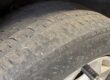
Worn shock absorbers rarely announce themselves, because they fade gradually and you adjust without noticing. But the damper is what keeps the tyre pressed to the road: tired dampers mean longer stopping distances, floaty motorway manners, nose-dive under braking and scalloped tyre wear. Our guides on what shock absorbers do and the signs of bad shock absorbers cover the symptoms in detail.
What We Check When You Bring It In
- Each damper body is inspected for misting versus a genuinely wet leak: the difference decides whether you are planning ahead or booking a repair.
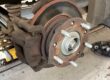
- Bump stops, top mounts, bushes and springs on the same corner are checked, because the family ages together: a fractured spring hides behind a tired damper more often than you would think.
- Tyres are read for the cupped, patchy wear pattern weak damping leaves.
- The car is road tested: a corner that keeps bobbing after a bump tells its own story.
How It’s Repaired
Dampers are sealed units, so a leaking one is replaced, and always in axle pairs: one new damper next to one tired one leaves braking and cornering uneven exactly when you need them matched. While the strut is off, it is the natural moment to deal with any spring or top mount wear found alongside, sharing the labour instead of paying it twice.
Book a Suspension Check
If misting or a leak appears on your MOT certificate, call into any of our 12 branches across Nottinghamshire. Our free vehicle health check will tell you honestly which side of the line each damper is on, and nothing is replaced until you have seen the evidence and agreed the price. You can also book an MOT online today.

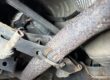
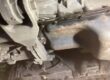
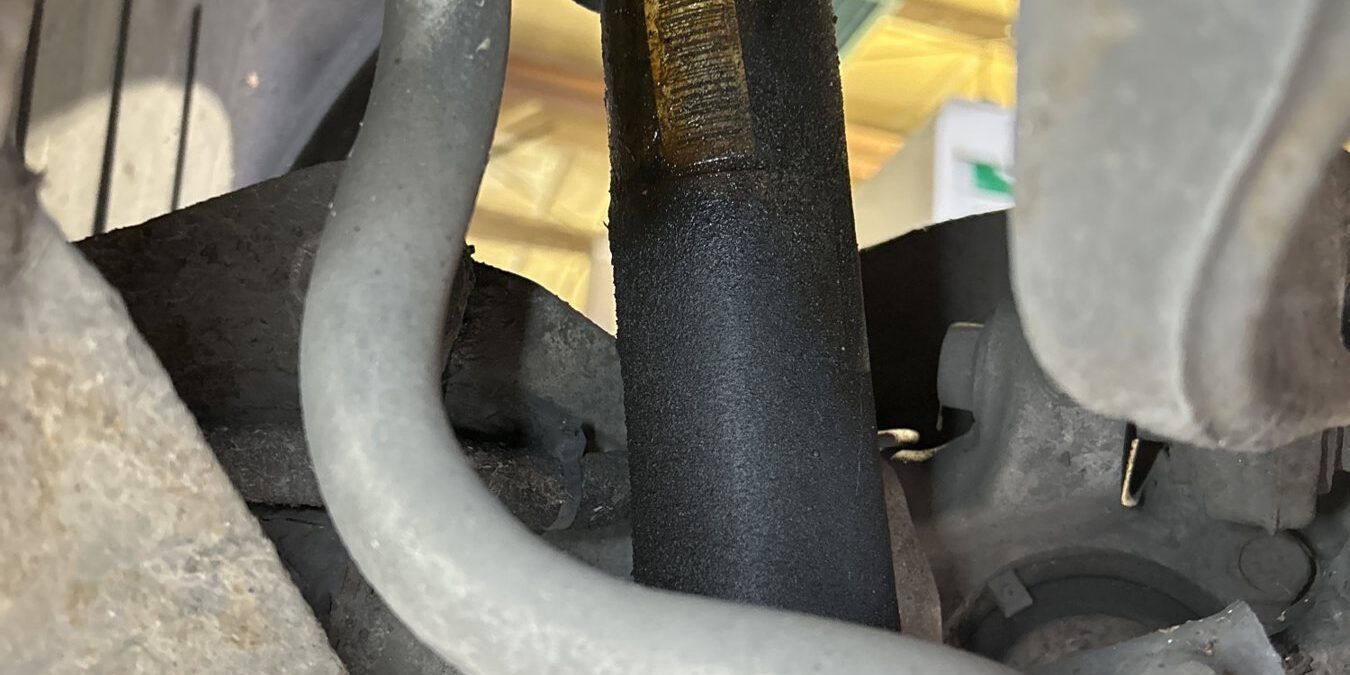
Past misting and into failure: wet oil on the damper rod. This rear shock absorber and its twin were both flagged leaking at our Old Basford branch this September.
Frequently asked questions
What does “shock absorber has light misting of oil” mean?
The seal at the top of the damper has started to let a fine film of oil creep down the outside of the body, where it shows as a dusty, oily mist. It is recorded as an advisory under 5.3.2 (b): the damper still works, and the note is an early warning rather than a fault.
Is a misting shock absorber an MOT failure?
No. Misting is an advisory and the car passes. The failure wording is a serious fluid leak: oil visibly wet or running on the damper body. That is a Major defect, because the damper is losing its working fluid.
How long will a misting shock absorber last?
There is no fixed answer: some mist lightly for years, others let go within months, and winter is hardest on them. Treat the advisory as the moment to start watching: re-check at each service, and act sooner if the ride goes floaty, the nose dives under braking or a tyre starts wearing in patches.
Do shock absorbers need replacing in pairs?
Yes, in axle pairs. Damping force needs to be matched side to side for even braking and cornering, and a damper the same age as the failed one is already on borrowed time.
What do nearside and offside mean on an MOT?
Nearside is the passenger side of the vehicle, the side closest to the kerb when you are driving in the UK. Offside is the driver’s side. The MOT certificate uses these words so there is no confusion about which corner of the car the defect relates to.
How much does it cost to fix a leaking shock absorber?
It depends on the underlying cause and the vehicle, which is why we always inspect first. Once we can see exactly what is needed we will explain it in plain English and confirm the price with you before any work starts.