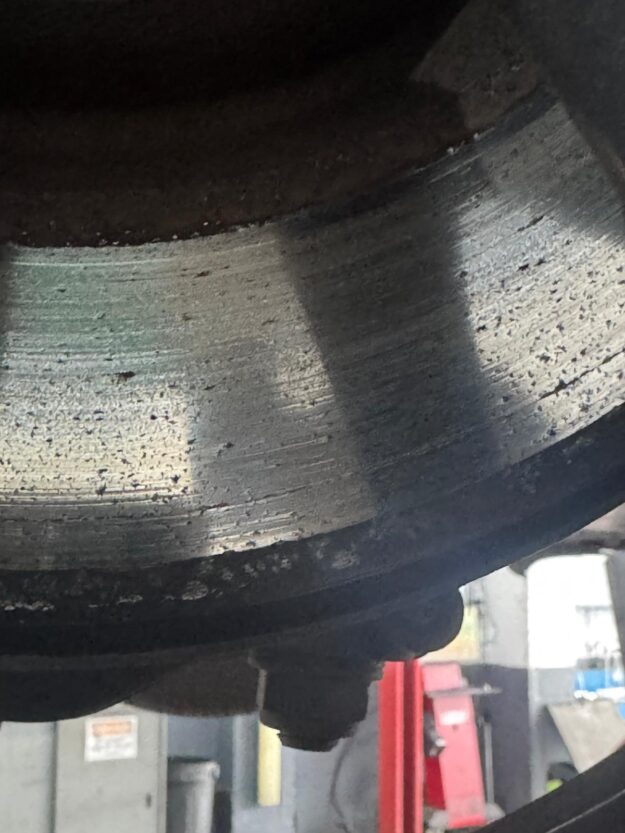
Electric Car Brake Discs: Why Rust Is the MOT Risk
Why electric and hybrid car brake discs rust rather than wear, what our own repair figures show, and how corrosion shows up at the MOT.

Why electric and hybrid car brake discs rust rather than wear, what our own repair figures show, and how corrosion shows up at the MOT.
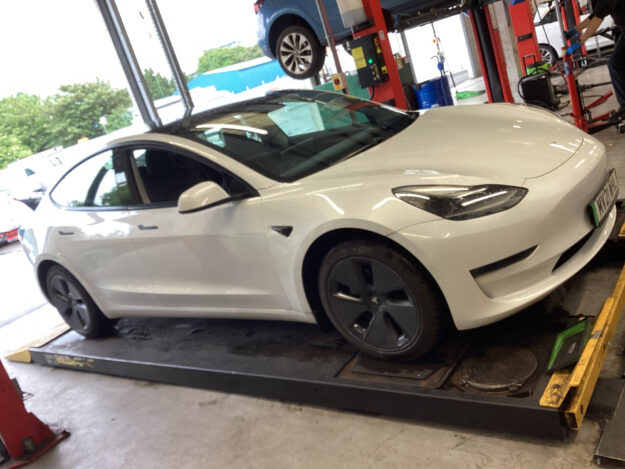
There is no separate electric car MOT. Who can test your EV, what changes on the day, and why you should arrive with some charge.
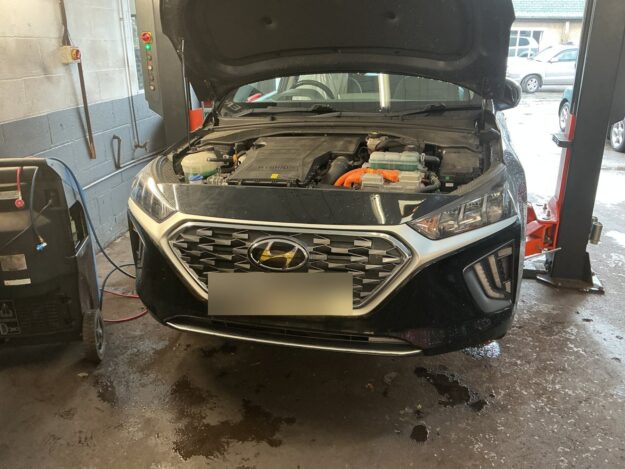
Hybrids do not have the MOT tailpipe emissions test. What section 8.2 says, and the exhaust, catalyst and warning light checks that still apply.
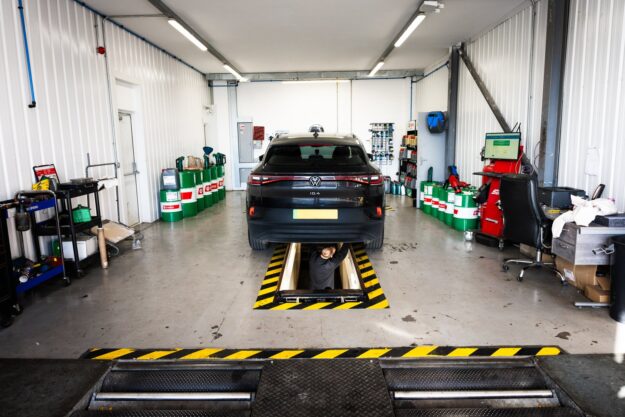
What the MOT really checks on an electric car’s battery under section 4.13, why battery health is not part of the test, and how to find out how healthy it is.

Engine mounts are tested on every MOT: the 6.1.8 defect lines, the thud and idle shake that give a worn mount away, and when it becomes a fail.
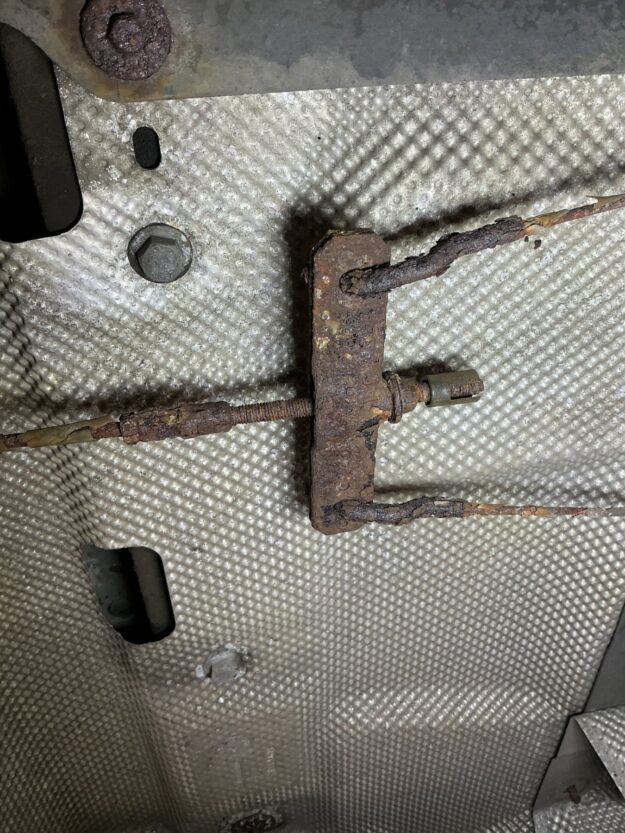
What corroded handbrake cables means on an MOT: the 1.1.15 defect lines, why cables seize in winter, and the click count that gives them away.
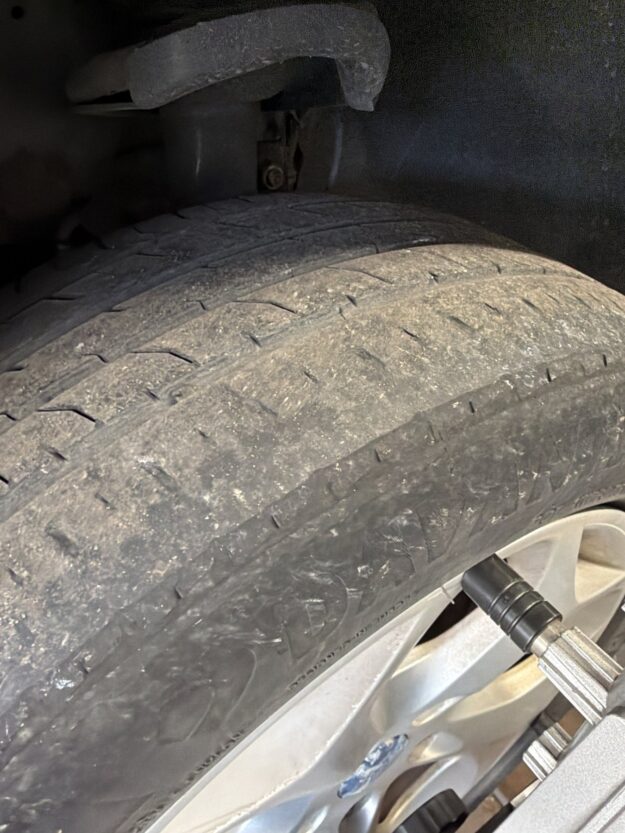
Edge-worn tyres and the law: why the 1.6mm minimum is measured across the central three quarters, when it fails under 5.2.3, and what the wear means.

What the MOT says about wheel bearings: the play and roughness tests under 5.1.3, the hum that gives a worn bearing away, and when to act.
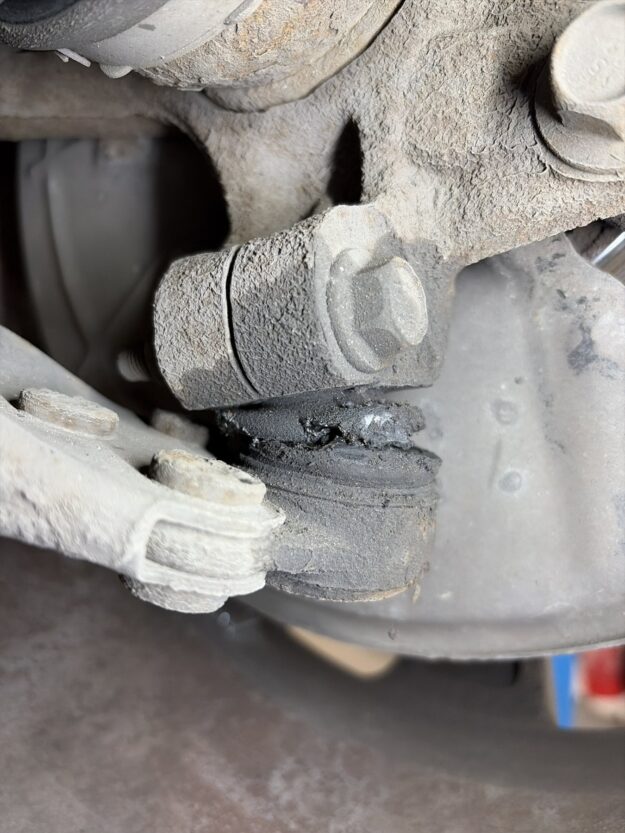
Where the MOT draws the line on ball joint boots: Minor for deteriorated, Major for torn open, and why a part worth pennies protects the whole joint.

What exhaust mounting defective means on an MOT, why one broken hanger is not an automatic fail under 6.1.2, and why the cheap fix saves the dear one.