
Exhaust Mounting Defective: Is It an MOT Fail?
What exhaust mounting defective means on an MOT, why one broken hanger is not an automatic fail under 6.1.2, and why the cheap fix saves the dear one.

What exhaust mounting defective means on an MOT, why one broken hanger is not an automatic fail under 6.1.2, and why the cheap fix saves the dear one.

What the MOT manual really says about oil leaks: the 75mm pool rule under 8.4.1, which fluids are excluded, and why a small leak still matters.
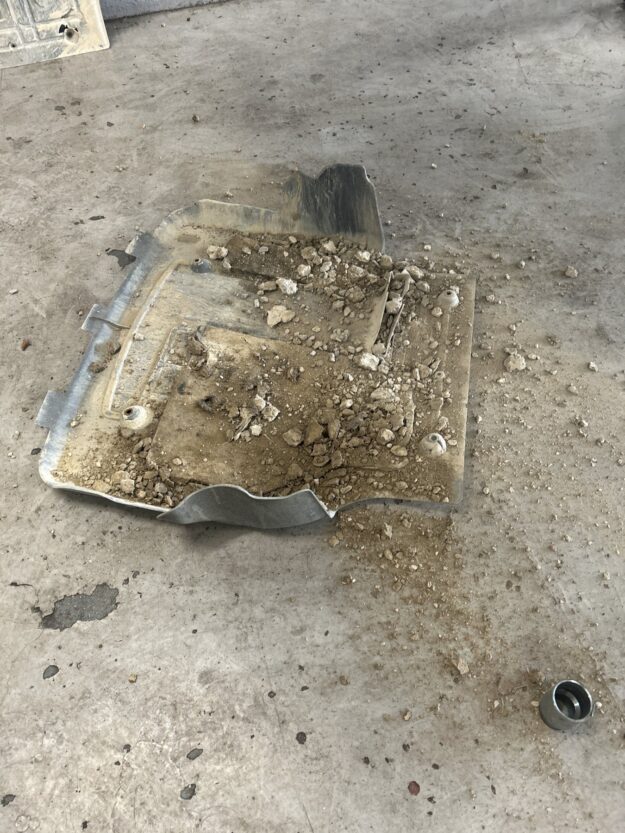
How undertrays affect the MOT: why testers leave fixed trays on, what goes uninspected, and when a loose tray fails under 6.2.1.
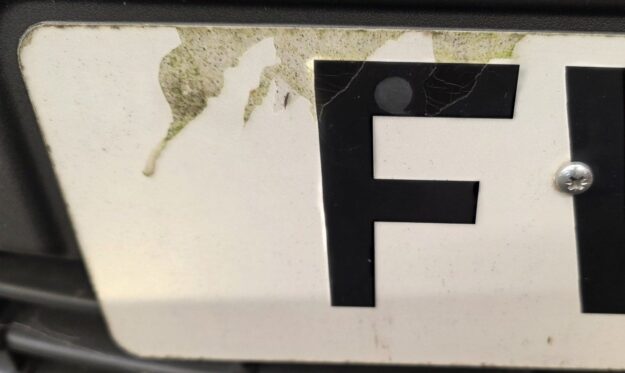
Why number plates fail the MOT under section 0.1: delaminated and faded plates, fonts, spacing, borders, 3D characters and screws.
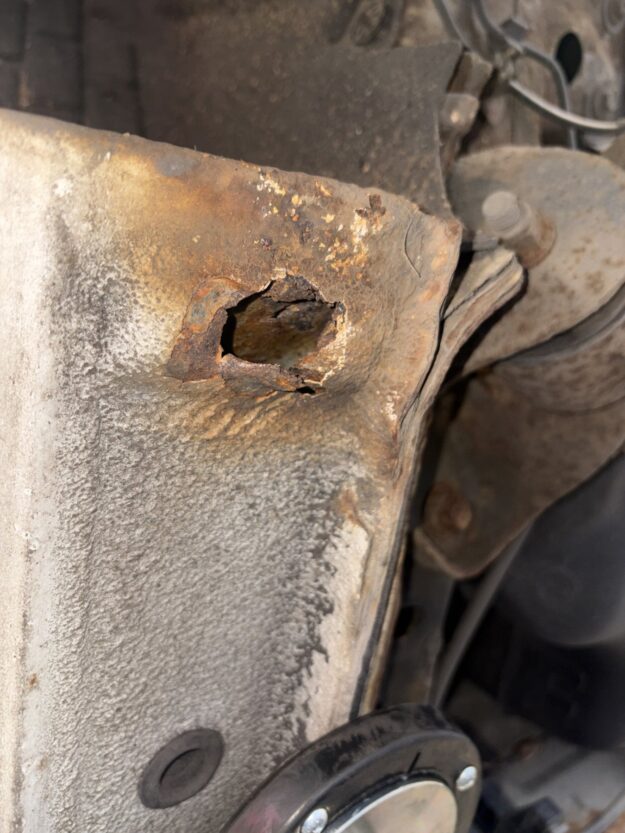
The MOT’s 30cm prescribed area rule: where it applies, how testers judge corrosion under Appendix A, and why rust elsewhere is judged differently.
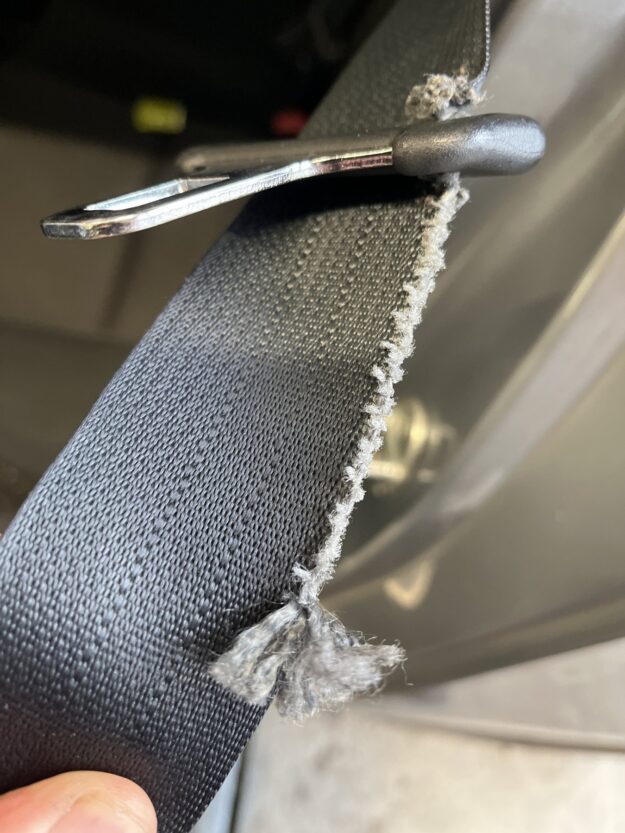
Every seat belt is checked on the MOT. The webbing, buckle, retractor and anchorage rules under 7.1, and the two-minute check to do first.

Why a parking brake that works on only one side fails the MOT under 1.4.1 (a), how it differs from the efficiency test, and the usual causes.

The brake hose ferrule advisory explained: what the ferrule is, when corrosion becomes a fail under 1.1.12 (f), and why hoses matter.

What an exhaust minor leak advisory means, when a leak becomes an MOT fail under 6.1.2, and why carbon monoxide makes it worth fixing.

Sidewall wording decoded: perishing advisories, cuts that reach the cords, and the bulge that means stop now.