“Brake Disc Worn, Pitted or Scored” on Your MOT: What It Means
This is one of the most common advisories in Britain, and one of the most misunderstood. Your car has passed its MOT, but the certificate carries a line like this, usually with a corner of the car in front of it:
Brake disc worn, pitted or scored, but not seriously weakened (1.1.14 (a) (ii))
And the failure version, for when it has gone further:
Brake disc significantly and obviously worn (1.1.14 (a) (i))
In short: the tester has seen wear, rust pitting or scoring on the disc’s friction face, but the disc is not seriously weakened, so the car passes. Pitted discs are usually corrosion, common on cars that sit or only do short trips. Scored discs are usually grit, or pads worn down far enough to cut grooves. It becomes a fail when the disc is significantly and obviously worn.
One quick translation before we go any further: nearside means the passenger side of the car, the side nearest the kerb. Offside means the driver’s side. So a defect recorded as nearside front is on the front passenger side, and offside rear is behind the driver. Front and rear, inner and outer, upper and lower simply pin down exactly which component the tester was looking at.
What the Advisory Actually Means
The tester has looked at the friction face of the disc, the shiny ring the pads clamp onto, and seen wear, rust pitting or scoring worth recording. The second half of the sentence is the part most people skip, and it is the part that matters: “but not seriously weakened”. In plain English, the disc is showing its age but was judged serviceable on the day. It is a note to keep an eye on it, not a fault you must rush to fix.
Why Discs End Up Worn, Pitted or Scored
- Ordinary wear: every stop removes a little metal, and a ridge or lip builds at the outer edge over tens of thousands of miles.
- Corrosion: cars that sit for days at a time, or only do short local trips, never scrub the surface rust off, and it slowly eats pits into the face.
- Hybrids and EVs: regenerative braking does most of the work, so the friction brakes see so little use that corrosion, not wear, becomes the enemy. We wrote about exactly this pattern in our guide to Tesla brake disc corrosion.
- Scoring: grit, or pads worn down to the backing, dragging rings into the surface.
If your car lives outdoors and does low mileage, some surface rust is completely normal and sweeps off with the first few stops. Our guide on rusty brake discs and how to avoid them covers the difference between overnight surface rust and the deep pitting that ends a disc’s life.
When Does It Become an MOT Failure?
A disc fails when it is significantly and obviously worn or seriously weakened: deep lips, heavy pitting across the friction face, cracks, or thickness below the manufacturer’s minimum. That minimum is a real number stamped into the disc or listed in the service data, and we measure against it with a gauge rather than judging by eye.
What We Do When You Bring It In
The wheels come off, each disc is measured for thickness and inspected for pitting, cracks and lips, and the pads are measured at the same time, because discs and pads live and die together. You see what we see, we explain it in plain English, and nothing is replaced unless the measurements say so. When discs are replaced, they are always done in axle pairs with new pads, so braking stays even side to side.
Can You Keep Driving With the Advisory?
Yes. An advisory does not affect the pass, and many discs wear this way gradually over a year or more. What turns it urgent is symptoms: judder through the pedal, grinding, squealing, or the car pulling to one side when braking. Any of those, and the sensible move is a check now rather than at the next MOT. Our free brake check exists for exactly this situation, and our guide to how car disc brakes work explains why disc condition has such a direct effect on stopping distance.
Book a Free Brake Check
If your MOT certificate mentions worn, pitted or scored brake discs, call into any of our 12 branches across Nottinghamshire for a free brake check, or book online. We carry out over 20,000 MOT tests a year, and our brake repair service fits discs and pads for every make, from superminis to EVs.
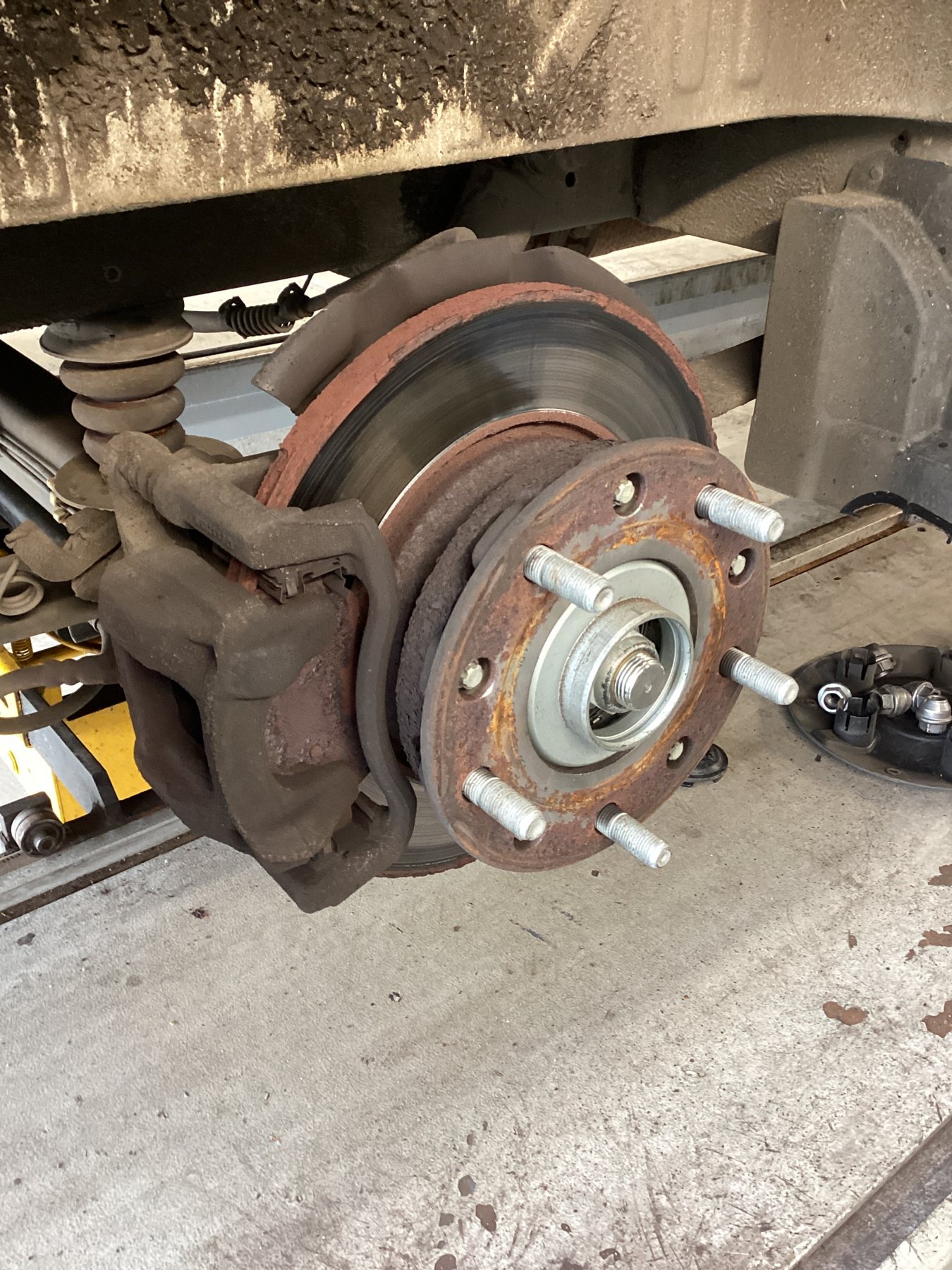
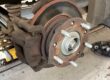
Fresh from our ramps this September: with the wheel off, the corrosion and the lip on this disc are obvious at a glance.
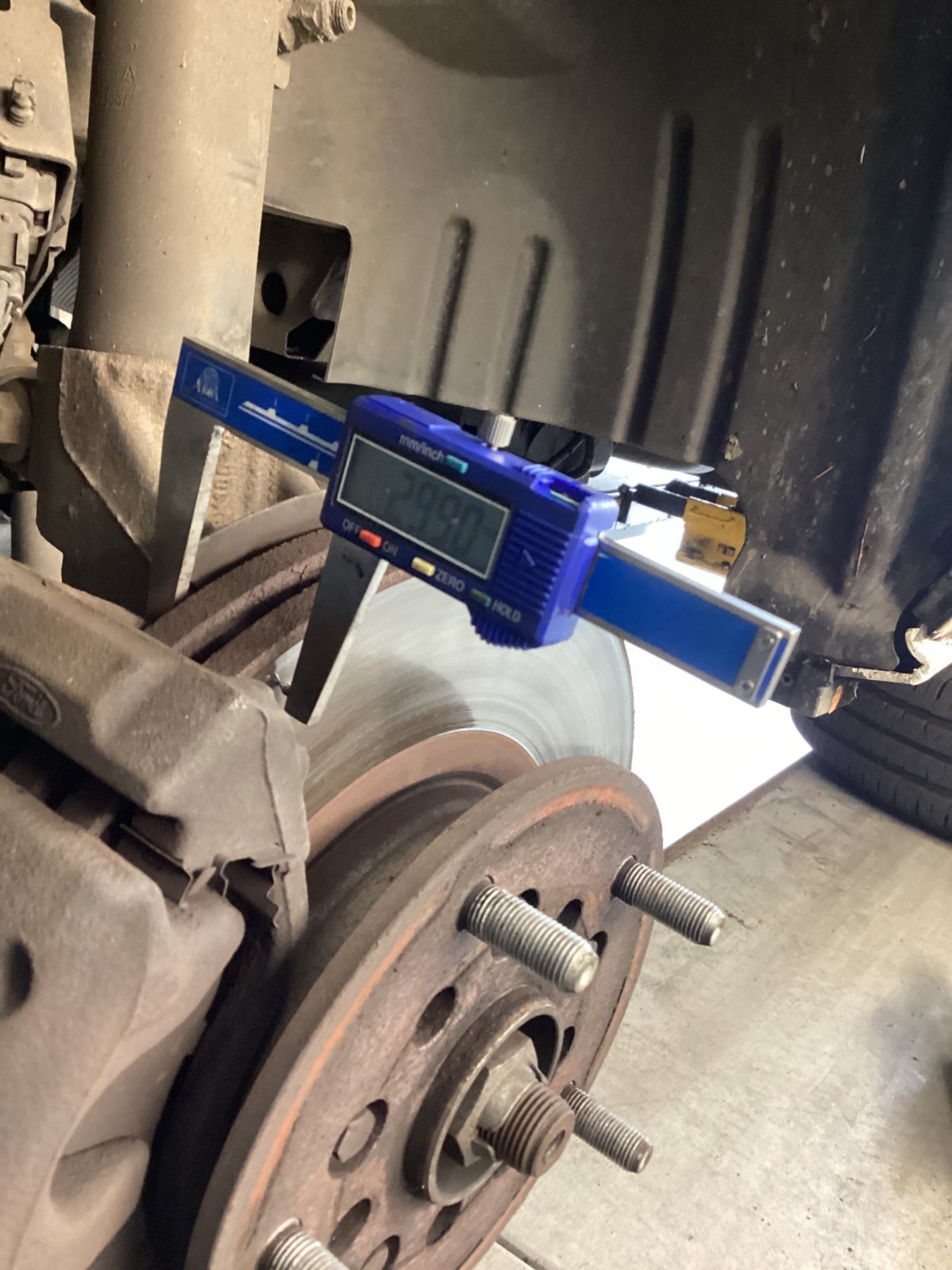
The measurement that settles it: 29.90mm on the vernier, checked against the manufacturer’s minimum before anything is recommended.
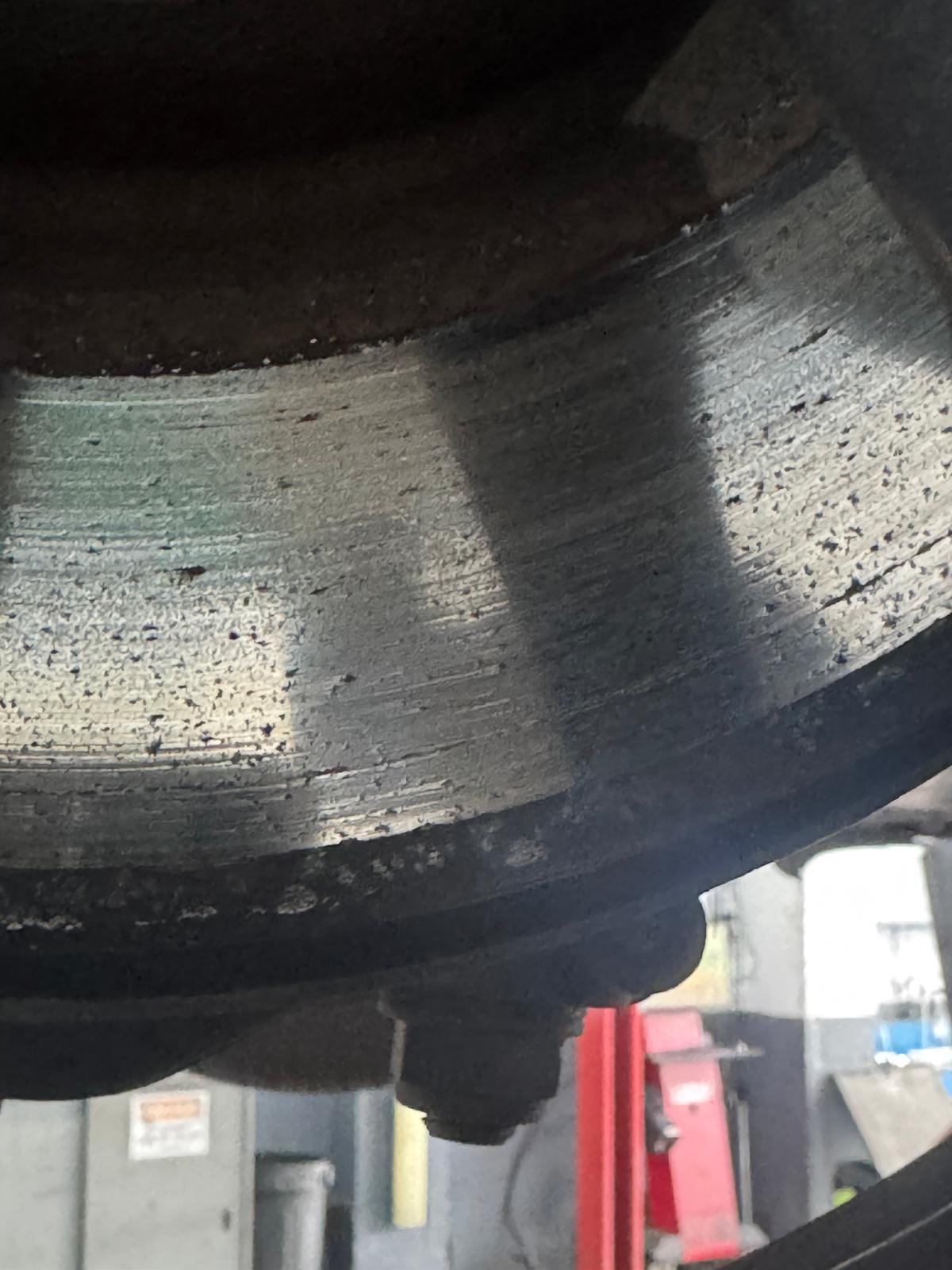
Pitting like this is corrosion eating into the friction face: the classic cause of the worn, pitted or scored advisory.
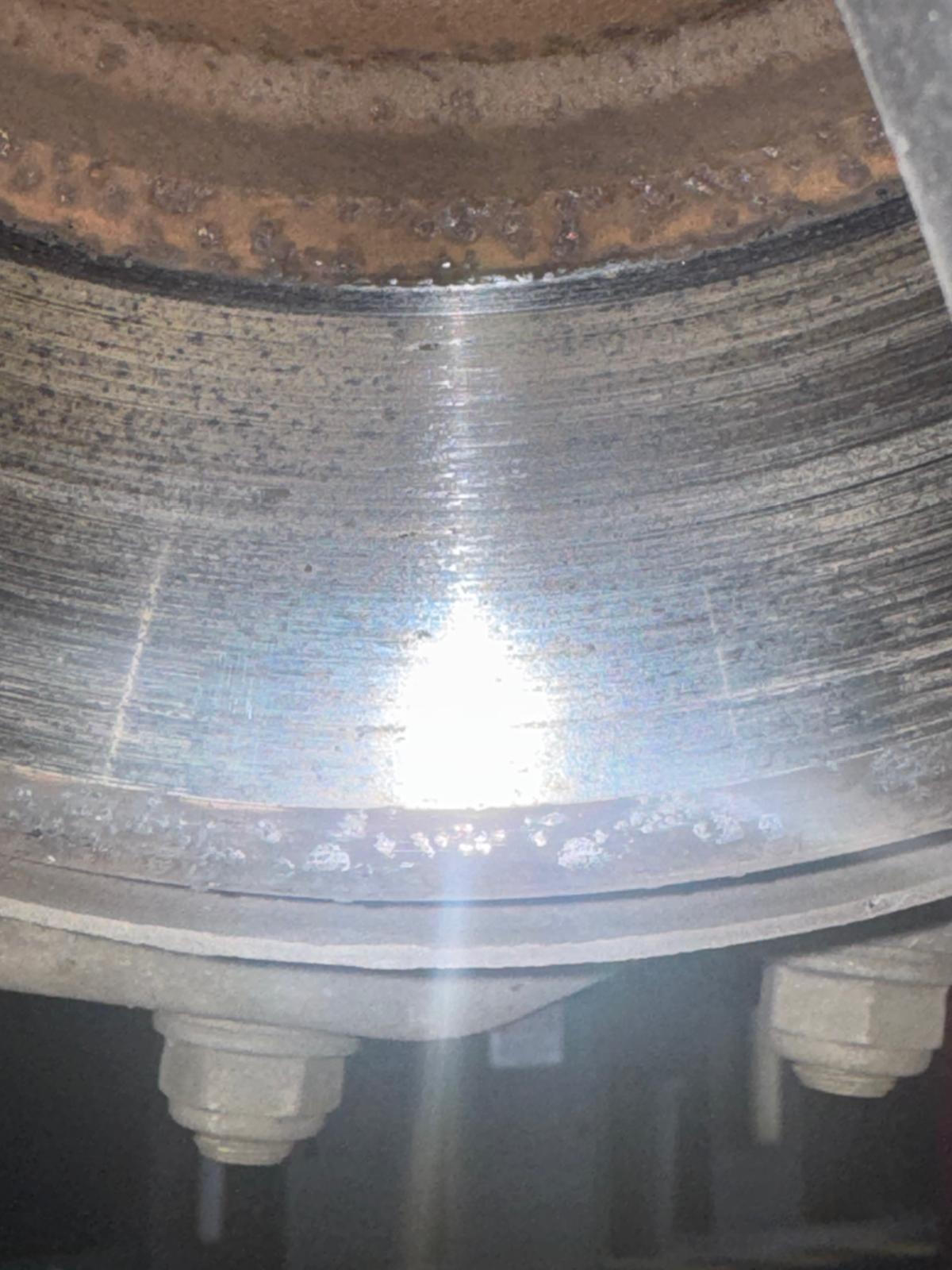
A corroded lip at the outer edge steadily shrinks the usable friction surface.
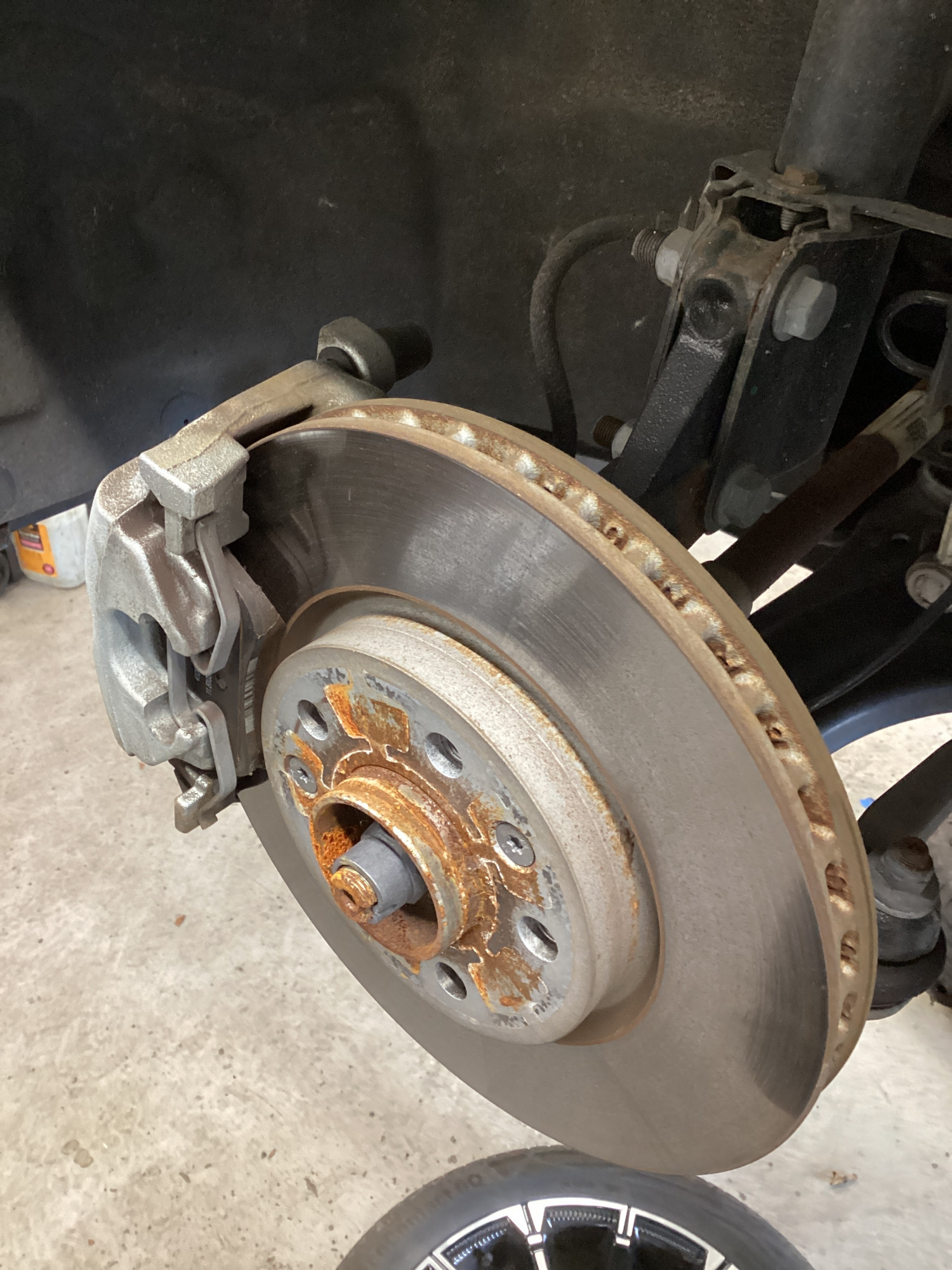
For comparison: a healthy disc with an even, clean friction face.
Frequently asked questions
Is “brake disc worn, pitted or scored” a fail or an advisory?
As written, with “but not seriously weakened” on the end, it is an advisory and your car has passed. It becomes a failure under 1.1.14 when a disc is significantly and obviously worn, seriously weakened, cracked or below the manufacturer’s minimum thickness.
How long can I drive with a worn or pitted brake disc advisory?
There is no fixed deadline, and many cars carry the advisory for months without drama. Treat symptoms as your trigger: judder, grinding, squealing or pulling under braking mean it is time for an inspection now. Otherwise, have the discs measured at your next service, or call in for a free brake check whenever you want a straight answer.
Why are my brake discs rusty when the car has been parked?
A film of orange surface rust after a damp night is completely normal and cleans off within a few stops. The advisory is about deeper corrosion: pitting that stays in the face no matter how much you brake, which gradually reduces braking surface.
Do brake discs have to be replaced in pairs?
Yes, always in axle pairs, and with new pads. Mixing a new disc with an old one, or new discs with worn pads, gives you uneven braking and glazes the new parts.
What do nearside and offside mean on an MOT?
Nearside is the passenger side of the vehicle, the side closest to the kerb when you are driving in the UK. Offside is the driver’s side. The MOT certificate uses these words so there is no confusion about which corner of the car the defect relates to.
How much does it cost to fix worn, pitted or scored brake discs?
It depends on the underlying cause and the vehicle, which is why we always inspect first. Once we can see exactly what is needed we will explain it in plain English and confirm the price with you before any work starts.