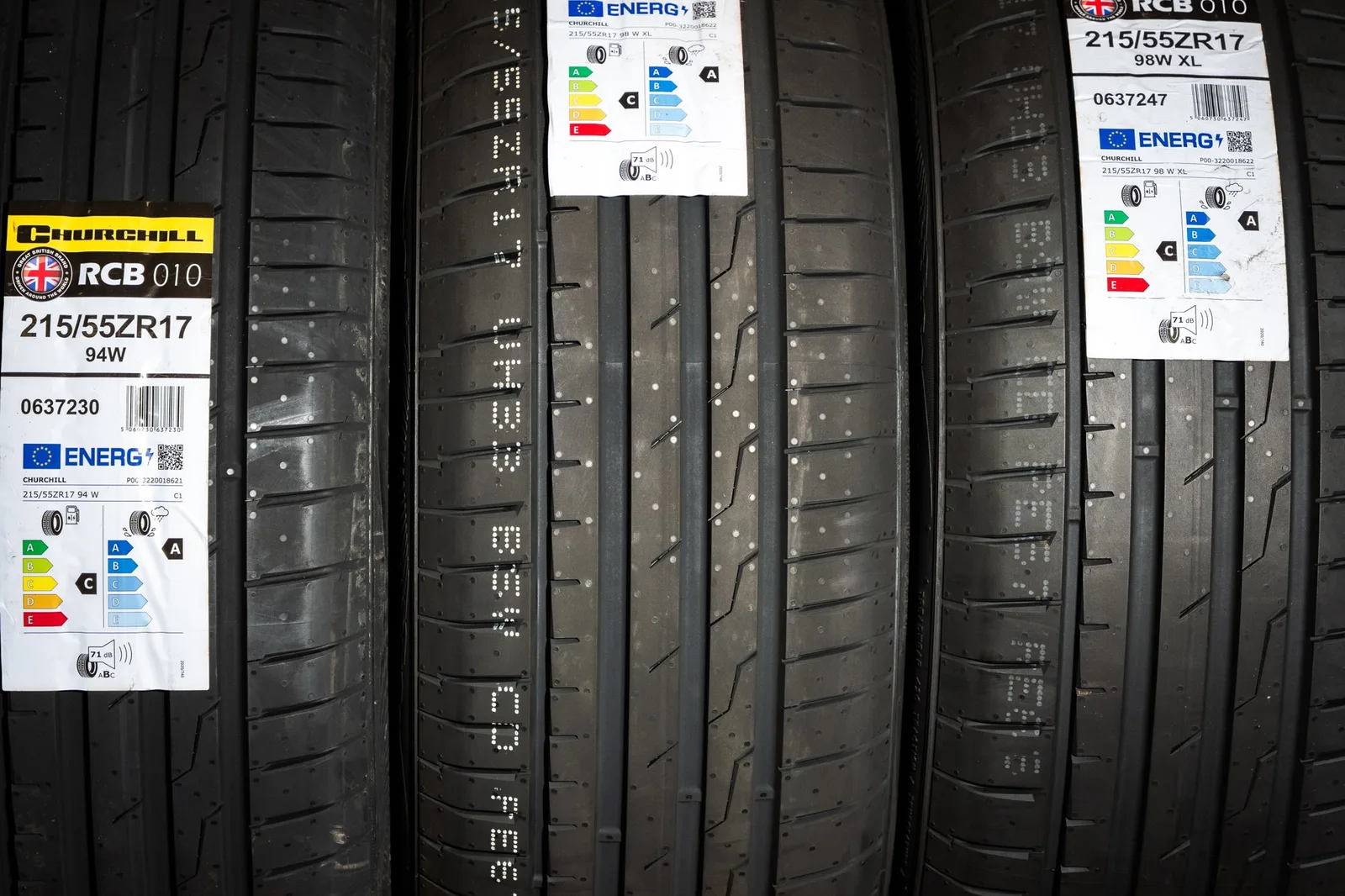
Wheel Alignment vs Tracking vs Balancing: What Is the Difference?
Tracking, alignment, geometry, balancing: the words get used interchangeably, and it is easy to book the wrong thing. Here is what each one actually means.
In short: Tracking and wheel alignment are the same job: setting the angles of the wheels so they point the right way. Balancing is different: it spreads the weight evenly around each wheel and tyre so they spin smoothly. Alignment fixes pulling and uneven wear; balancing fixes vibration.
Wheel Alignment (Tracking)
Alignment is about angles. The three that matter are:
- Toe: whether the wheels point slightly in or out when viewed from above. This is the one most often adjusted, and the one most likely to wear tyres quickly when it is out.
- Camber: the tilt of the wheel in or out at the top, viewed from the front. Too much wears one edge of the tyre.
- Caster: the angle of the steering axis viewed from the side. It helps the steering self-centre and the car run straight.
In the UK, tracking is the everyday word for setting the front toe, so when someone asks for their tracking doing, they mean alignment. Geometry is the same idea again, usually used for a full check of every angle.
Wheel Balancing
Balancing has nothing to do with angles. No wheel and tyre is perfectly even in weight, so small weights are fitted to the rim to cancel out the heavy spots. An unbalanced wheel shows up as vibration, usually through the steering wheel at motorway speeds, or through the seat if it is a rear wheel.
Wheels are balanced when new tyres are fitted. They can need it again if a balance weight falls off, or after a hard knock.
Which One Do You Need?
- Car pulls to one side, steering wheel off-centre, tyres wearing on an edge: alignment.
- Steering wheel shakes at speed, or a vibration that comes and goes with road speed: balancing.
- Both, or not sure: tell us the symptoms and we will check before doing anything.
Our earlier post on the signs your car needs a wheel alignment goes into the alignment symptoms in more detail.
Book at Our Tyres & Alignment Centres
Not sure which you need? Tell us what the car is doing. Our two dedicated Lindleys Tyres & Alignment centres measure and adjust alignment on the rig, and both offer 2 and 4 wheel alignment:
- Daleside Road, Colwick, NG2 4DH: 0115 704 4253
- Furlong Street, Arnold, NG5 7AQ: 0115 704 3109
Both are open Monday to Friday 8am to 5pm and Saturday 8am to 1pm. You can book wheel alignment online or give either team a call.
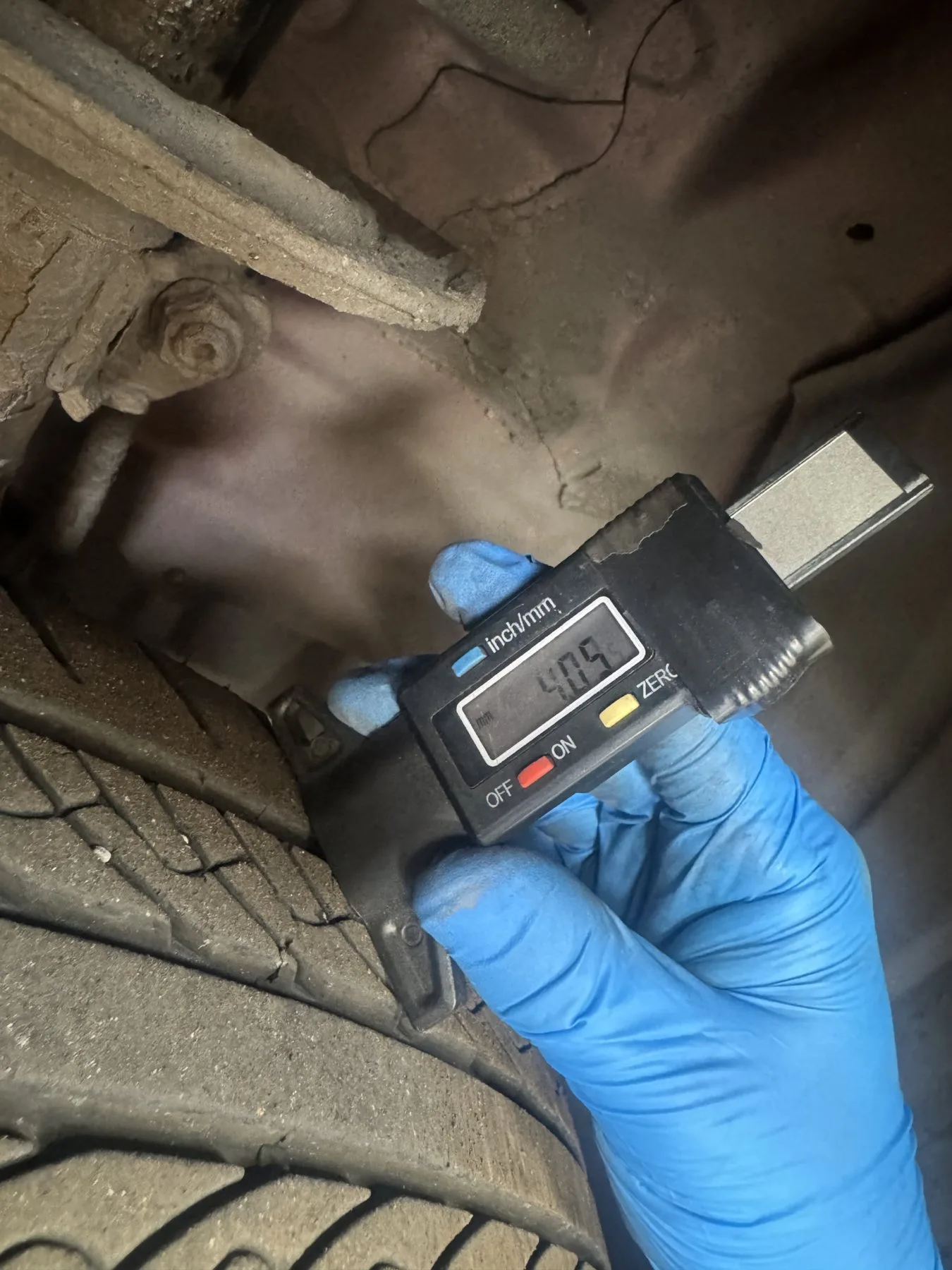
Checking the tread across a front tyre during a tyre inspection. Wear that is uneven across the tyre points to alignment; a vibration at speed points to balancing.
Frequently asked questions
Is tracking the same as wheel alignment?
Yes. Tracking is the common UK name for wheel alignment, particularly setting the front toe. Both mean adjusting the angles of the wheels so they point the right way.
What is the difference between wheel alignment and balancing?
Alignment sets the angles the wheels point at, which stops pulling and uneven tyre wear. Balancing evens out the weight around each wheel, which stops vibration.
Do I need balancing with new tyres?
Yes. New tyres are balanced on the wheel when they are fitted. Alignment is a separate check, and a good one to do at the same time.
Can bad alignment cause vibration?
Vibration is more often balancing, a damaged wheel or a worn part. Alignment that is badly out can cause a feathered tyre that hums or vibrates, so if balancing does not cure it, alignment is worth checking.